
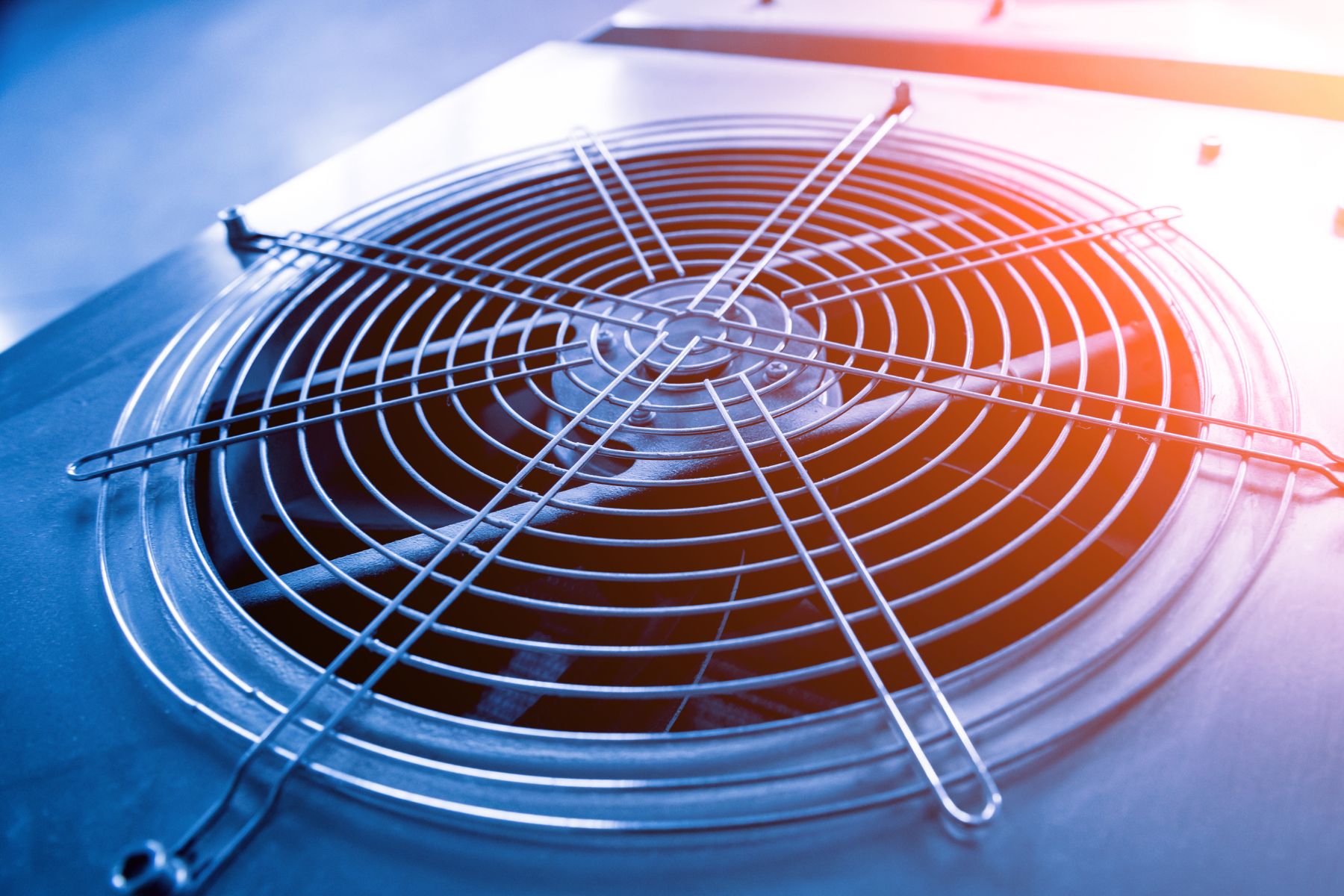
In Alabama, your HVAC system rarely gets a real day off. The AC carries the load from May into October, then the heat takes over the first cold morning in November. Because one system often does both jobs, the maintenance that keeps your heat safe also protects the equipment you lean on all summer.
This checklist is built for homes around Cullman and North Alabama. It is split into three parts: what you can do yourself in about 30 minutes, what a professional fall tune-up should cover, and a shorter spring list for the cooling side.
How often should HVAC be serviced in Alabama? Twice a year: once in the fall before heating season and once in the spring before cooling season. Our climate works the equipment hard in both directions, so one visit a year leaves half the system unchecked.
Part 1: Your Fall Homeowner Checklist (30 Minutes, No Tools Needed)
Do these in October or early November, before you need the heat every night.
1. Change or check the air filter
This is the single most important thing you can do. A clogged filter chokes airflow, makes the blower work harder, and can make a furnace overheat and shut itself off.
- Pull the filter and hold it up to a light. If you cannot see light through it, replace it.
- Basic 1 inch filters usually need changing every 1 to 3 months. Pets, allergies and fall pollen in North Alabama push you toward the shorter end.
- Write the date on the edge of the new filter with a marker.
2. Test the heat before you need it
Set the thermostat to heat, a few degrees above room temperature, and let it run 15 minutes.
- Warm air should come from the vents within a few minutes.
- A dusty smell the first time is normal and should fade within an hour. A sharp, electrical or rotten-egg smell is not. Our post on burning smells from your heater explains the difference.
- If you have a heat pump and notice a musty "gym bag" smell, read up on dirty sock syndrome.
3. Replace the thermostat batteries
If your thermostat takes batteries, swap them now. A dead thermostat on a cold night looks exactly like a dead furnace.
4. Test your carbon monoxide detectors
Press the test button on every CO detector, especially any near bedrooms and the furnace. If you have gas heat, a gas water heater or an attached garage and you do not have a CO detector, buy one this week. Carbon monoxide has no smell and no color.
5. Clear around the furnace and vents
- Keep at least a few feet clear around the furnace. No storage boxes, paint cans or laundry piled against it.
- Walk the house and make sure no supply vents or return grilles are blocked by rugs or furniture.
- Closing vents in unused rooms does not save money. It raises pressure in the ductwork and makes the system work harder.
6. Check the outdoor unit if you have a heat pump
A heat pump runs outside all winter, so it needs room to breathe.
- Clear leaves, pine straw and grass clippings at least 2 feet around the unit.
- Make sure it sits level and the top is not covered.
- Do not wrap it in a tarp or cover for the winter. Heat pumps need to run in cold weather.
7. Look at the condensate drain
High-efficiency furnaces and the indoor coil both make water. Find the drain line (usually a white PVC pipe near the furnace) and make sure it is not cracked, kinked or dripping on the floor.
Part 2: What a Professional Fall Heating Tune-Up Should Cover
The homeowner list keeps things running. A professional visit finds the problems you cannot see. On a fall heating tune-up, here is what we check:
For a gas furnace:
- Heat exchanger inspection for cracks or rust
- Flame sensor cleaning (a dirty one is one of the most common reasons a furnace lights and then shuts off)
- Gas pressure check
- Burner and ignition check
- Venting and safety control testing
- Carbon monoxide check on the heating equipment
For a heat pump:
- Defrost cycle check
- Auxiliary heat strip check, so backup heat works when temperatures drop
- Outdoor coil inspection
For every system:
- Indoor coil and blower inspection
- Filter inspection, replacement and a recommended change schedule
- Condensate drain flush and float switch test
- Electrical testing: capacitors, contactors and wiring
- Confirming your home's CO detector works
That is the same list on our HVAC maintenance page. If we find something that needs fixing, you get a written price before any work begins, and we never upsell you on what you do not need. If your system already is not heating right, skip the tune-up and go straight to heating repair.
Ready for your fall tune-up? Call us at (256) 915-2826 and ask about our $89 Heating Tune-Up. Veterans Cooling and Heating is veteran-owned, licensed in Alabama (AL#24210), with 15+ years in the trade, handling HVAC maintenance across Cullman County and the surrounding communities.
Ready for honest, dependable HVAC service?
Talk to a real veteran-owned local team. Same-day service available.
Warning Signs That Should Not Wait for a Tune-Up
Call a technician now, not next month, if you notice:
- Your CO detector alarms (leave the house first and call 911 or your gas utility)
- A rotten egg or sulfur smell, which can mean a gas leak
- A yellow or flickering burner flame instead of a steady blue one
- The furnace turning on and off every few minutes
- Cold air from the vents when the heat is on
- New banging, screeching or rattling sounds
Part 3: Spring HVAC Checklist (Before Cooling Season)
Come March or April, flip the focus to cooling. Alabama summers are long and humid, and the AC is what carries your power bill.
Homeowner spring list:
- Change the air filter again
- Clear the outdoor unit: leaves, weeds, and anything that grew up around it over winter
- Gently hose off the outdoor coil from the inside out if it is dusty (power off at the disconnect first)
- Pour a cup of white vinegar down the condensate drain line access to help keep algae from clogging it
- Test cooling on a warm afternoon before the first heat wave, not during it
What a professional spring tune-up covers:
- Outdoor coil cleaning and refrigerant level check
- Capacitor and contactor testing
- Indoor coil and blower inspection
- Condensate drain flush and float switch test
Spring is also a good time to think about humidity and indoor air. If your home feels sticky even when the AC runs, or allergies spike every pollen season, ask about indoor air quality options.
Why Twice-a-Year Maintenance Pays Off
- Fewer breakdowns at the worst time. Most no-heat calls come on the first cold night, when every HVAC company in the county is busy.
- Lower bills. A clean system with good airflow does not have to run as long to do the same job.
- Warranty protection. Most manufacturer warranties require documented annual service to stay valid.
- Safety. A heat exchanger crack or a venting problem is something you want found in October, not discovered by your CO detector in January.
Book Your Fall Tune-Up
Veterans Cooling and Heating is a veteran-owned, licensed Alabama HVAC contractor (AL#24210) serving Cullman, Hanceville, Good Hope, Vinemont, Holly Pond, Fairview, Baileyton, West Point, Joppa and Arab. Right now our $89 Heating Tune-Up covers the fall checklist above. Mention the offer when you book.
Call (256) 915-2826 or request service online. We are open Monday through Friday, 7 AM to 6 PM, and same-day appointments are available.